My Journey
My journey began with a simple question: How can fashion be both beautiful and sustainable? Before study abroad in Peru, I most associated sustainability with recycling, reducing plastic waste, and making environmentally friendly choices. I never stopped to think about the people behind the clothes we wear or how fashion impacts communities around the world.
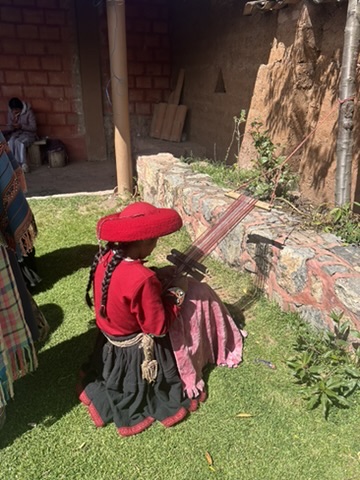
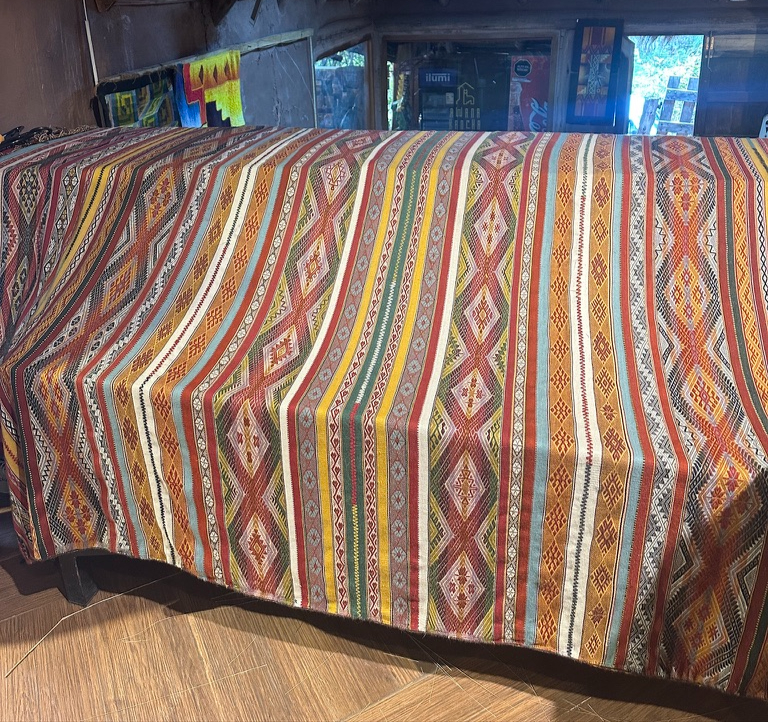
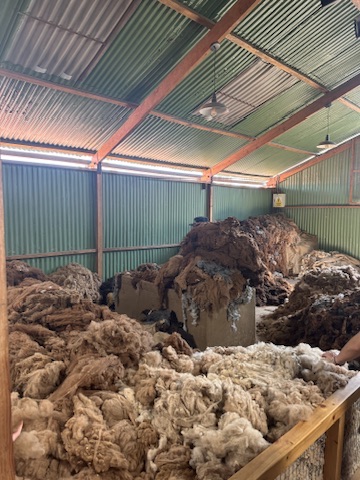
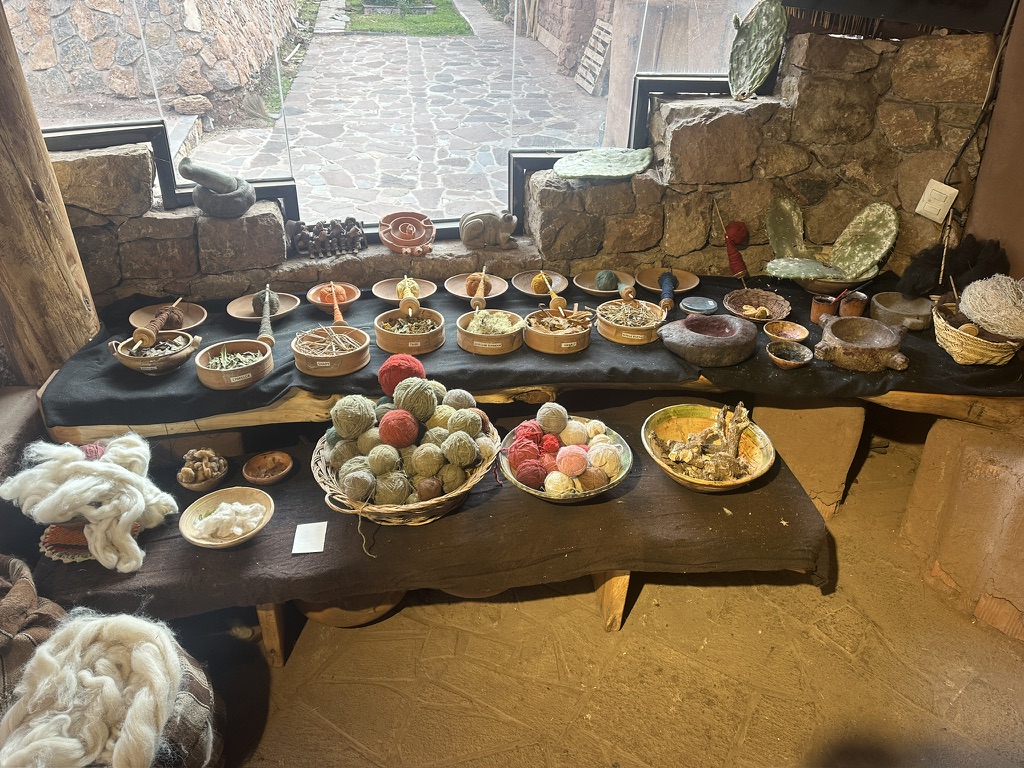
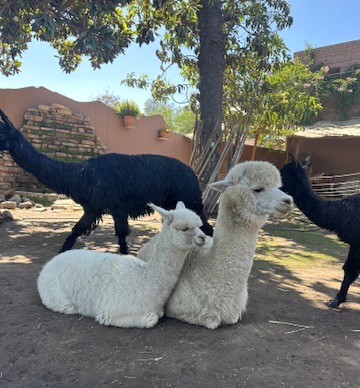
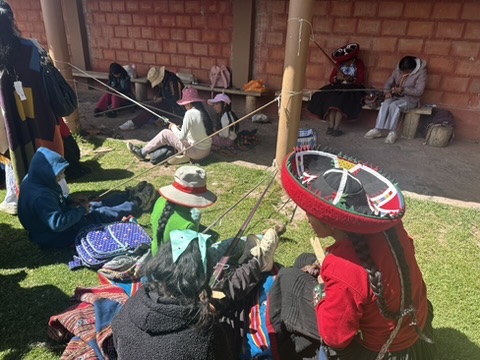
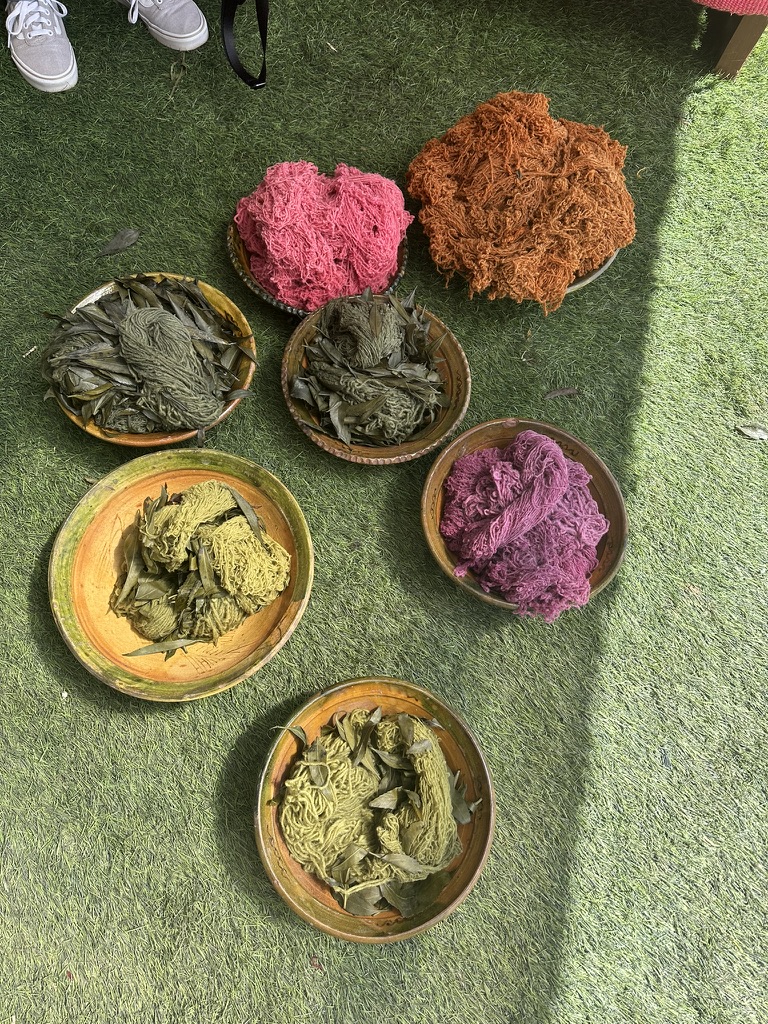
Throughout this experience, I had the opportunity to visit artisan communities, observe traditional weaving techniques, and learn how alpaca fiber and natural dyes are used to create high quality textiles. Seeing the time, skill, and cultural significance behind each handmade piece completely changed the way I think about clothing. I realized that slow fashion is not just about buying fewer clothes, it is about valuing craftsmanship, preserving cultural traditions, and supporting ethical production.
One of the most meaningful parts of my experience was meeting the women who continue these textile traditions. Their work provides income for their families while preserving knowledge that has been passed down for generations. Watching them weave and hearing their stories helped me understand that sustainability is not only environmental, it is also social and economic.
Since returning home, I have become much more intentional about the way I shop. Instead of buying clothing simply because it is inexpensive or trendy, I think more carefully about where it was made, who made it, and how long it will last. This experience also challenged me to appreciate quality over quantity and to recognize that every purchase has an impact.
My time in Peru transformed the way I view fashion, sustainability, and my role as a consumer. More importantly, it showed me that sustainability is about people just as much as it is about the environment. I hope to carry these lessons into both my personal life and my future career while encouraging others at UGA to think more critically about responsible consumption and the value of supporting ethical, sustainable fashion.